The Bay Doula Rita Is Helping Bay Area Mothers Find Rest, Recovery, and Support
Interview by Heather Anderson

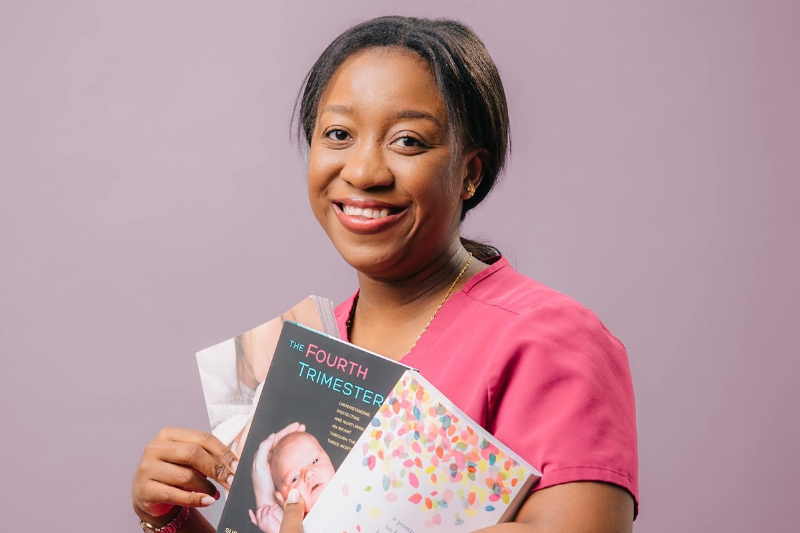
Founder of The Bay Doula Rita LLC | Birth & Postpartum Doula | Lactation Counselor
For Rithalorine “Rita” Kazimoto, supporting mothers is more than a profession—it's a calling rooted in compassion, empowerment, and the belief that no woman should have to navigate motherhood alone.
Originally from Tanzania, Rita has proudly called Oakland, California, home for the past decade. As the founder of The Bay Doula Rita LLC, she has dedicated her work to supporting women and families through some of life's most meaningful and transformative moments.
Having served more than 100 families throughout the San Francisco Bay Area, Rita has established herself as a compassionate and trusted presence in birth and postpartum care. As a certified birth and postpartum doula and lactation counselor, she provides personalized support throughout labor and delivery, as well as overnight postpartum care, newborn care, and breastfeeding guidance.
What distinguishes Rita's approach is her commitment to caring for the mother as much as the newborn. She understands that beyond the joy of welcoming a baby, motherhood brings physical recovery, emotional adjustments, sleepless nights, and moments when additional support can make all the difference.
Through education, encouragement, and hands-on care, Rita helps mothers approach childbirth with confidence and navigate postpartum recovery with reassurance and dignity. Her work emphasizes informed decision-making, compassionate advocacy, and respect for each family's individual needs and preferences.
Looking toward the future, Rita hopes to expand her impact beyond one-on-one services by creating educational workshops, strengthening community partnerships, and increasing awareness of the importance of maternal support.
At the heart of her mission is a simple yet powerful message: “Mama needs mothering, too.”
For Rita, every family supported represents more than a service provided. It is an opportunity to build confidence, nurture well-being, and remind mothers that they deserve to be cared for, too.
Take me to one moment in a delivery room where you thought, “Yep, this is exactly what I'm supposed to be doing.”
There's one birth experience I will never forget.
I was supporting a mother who had entered labor carrying more than just the anticipation of meeting her baby. She was also carrying the emotional weight of a difficult first birth.
During her first delivery, she had received an epidural that she felt wasn't fully explained to her. After a long and exhausting labor, she became too tired to continue pushing effectively, and her delivery ultimately ended in a C-section. That experience stayed with her. This time, she hoped for a different outcome—one where she felt more informed, involved, and supported.
But as labor intensified, those feelings of fear and exhaustion began to resurface.
I remember her crying and saying, “I can't do this anymore. My body can't take it. I feel like I'm going to die.”
In that moment, I knew she didn't need someone simply telling her to be strong. She needed someone to recognize what she was feeling, listen to her fears, and remind her that she wasn't facing this experience alone.
I held her hand, looked her in the eyes, and spoke to her calmly. I encouraged her to focus on one contraction at a time, to breathe, and to give herself permission to rest when she needed it.
My goal wasn't to push her toward a particular outcome. It was to help her feel safe enough to regain her confidence, understand her options, and remain an active participant in her birth experience.
As she became more comfortable, we worked together to explore different ways of supporting her through labor. We walked, used the birthing ball, changed positions, practiced breathing techniques, and incorporated massage, hydration, and rest. With each adjustment, I continued listening to her needs and offering reassurance.
There were moments when a repeat C-section was discussed as a possibility. But with ongoing support from her medical team, she was ultimately able to have the vaginal birth she had hoped for.
Afterward, she looked at me and said, “Rita, I'm so thankful you were here.”
I'll never forget those words.
Not simply because she achieved her desired birth experience, but because I had witnessed a mother move from feeling frightened and overwhelmed to feeling supported, heard, and confident in herself.
That was the moment I knew I was exactly where I was meant to be.
Being a doula isn't about controlling how a birth unfolds or guaranteeing a particular outcome. It's about standing beside a woman during one of the most vulnerable moments of her life and making sure she knows that her voice matters.
Sometimes the most meaningful thing I can offer isn't a technique or a suggestion. It's my presence. It's holding a mother's hand, listening without judgment, and reminding her that she deserves compassion and respect, regardless of how her baby enters the world.
That is why I do this work. Every mother deserves more than a safe delivery. She deserves to feel safe, too.
“We celebrate pregnancy. We celebrate baby showers. We celebrate the arrival of a newborn. But sometimes, in all that excitement, we overlook the woman who has just gone through one of the most significant physical and emotional transitions of her life.”
What pulled you into doula work in the first place? Not the polished version, the real one.
It started with my cousin.
After giving birth, she experienced postpartum depression, and I witnessed firsthand how overwhelming and isolating that period could be without adequate support.
There were moments when she would hear her baby crying, even when the baby was peacefully asleep. I remember her looking at me and asking, “Rita, am I going crazy?”
At the time, I didn't fully understand everything she was experiencing. I just knew that someone I loved was struggling, and she needed more than words of encouragement. She needed someone to show up for her.
So I did.
I went to stay with her and began helping in whatever ways I could. I would tell her, “Go get some sleep. I'll wake you when the baby needs to eat.”
During those long nights, she often worried about whether her baby was getting enough milk or whether something might be wrong. I listened to her concerns, offered reassurance, and helped care for the baby so she could have moments to rest and recover.
I prepared bottles, did laundry, helped with household chores, made sure she had something to eat, and took care of the small responsibilities that can feel enormous when you're physically exhausted and emotionally overwhelmed.
But looking back, I realize that what mattered most wasn't just the practical help. It was making sure she didn't feel alone.
I stayed by her side through those difficult weeks, offering comfort, patience, and a consistent presence as she navigated her recovery.
And somewhere in the middle of that experience, I had a realization:
I had been doing postpartum doula work without even knowing there was a name for it.
That experience completely changed how I viewed motherhood.
We celebrate pregnancy. We celebrate baby showers. We celebrate the arrival of a newborn. But sometimes, in all that excitement, we overlook the woman who has just gone through one of the most significant physical and emotional transitions of her life.
I began thinking about how many other mothers might be experiencing those same feelings of exhaustion, anxiety, sadness, or isolation without having someone there to support them.
I wanted to be that person for other families.
Someone who could show up during the long nights when a mother feels overwhelmed. Someone who understands that sometimes the greatest gift you can give a new mother is the opportunity to sleep, eat a warm meal, take a shower, or simply feel heard without judgment.
That experience inspired me to pursue professional doula training and eventually establish The Bay Doula Rita LLC.
What began as caring for someone I loved became a passion for supporting mothers throughout the Bay Area.
And if there's one thing that experience taught me, it's that when a baby is born, a mother needs care, too.
That's the heart behind everything I do.
You started out working for an agency. What changed when you went out on your own as The Bay Doula Rita?
Working for an agency gave me valuable experience, but starting The Bay Doula Rita allowed me to create the kind of care experience I truly wanted for families.
What I love most about working independently is having the opportunity to build a personal connection with each family. I can work one-on-one with them, communicate directly, and understand their individual needs without making them feel rushed or pressured.
Whether I’m supporting a mother through labor and birth or caring for her and her newborn during the postpartum period, my goal is to make sure she feels safe, heard, reassured, and supported both emotionally and physically.
I go beyond simply providing services. I want to build trust with my families, understand their birth preferences, support their choices, and help them transition into parenthood in a way that feels right for them.
For birth, I want mothers to feel confident, informed, empowered, and supported throughout their journey. For postpartum, I want mothers to have the opportunity to rest, recover, and enjoy their babies without feeling like they have to do everything alone.
My goal is simple: whether I’m supporting a mother in the delivery room or caring for her overnight at home, I want her to feel that she is never alone.
And when I provide overnight postpartum care, I want every mother to wake up feeling rested, relaxed, refreshed, and ready to enjoy her baby.
A lot of moms have heard the word doula and still aren't totally sure what one does in the room. So, plainly: what are you actually doing while someone is in labor?
I support mom and her partner, both. Physically, I'm helping with labor positions and making sure she keeps moving and changing positions. I make sure she's eating and drinking. I'm holding her hand the whole time.
If something comes up with the providers, I make sure the parents understand it, and I help them know what questions to ask. If she can't talk in that moment, I'm there to speak up for her. And when she feels like she's at her lowest point and she looks over and sees me, she feels hope.
Comments
My role in the delivery room is to support both the mother and her partner throughout labor and birth. I’m there to make sure they feel supported, informed, comfortable, and never alone.
Physically, I help the mother with different labor positions and encourage movement and position changes to support her comfort and the progress of labor. I offer hands-on comfort measures such as massage, help her stay hydrated and nourished when appropriate, and provide continuous encouragement. Sometimes it’s helping her onto a birthing ball, supporting her through a contraction, holding her hand, or simply reminding her to breathe.
I also provide emotional support to her partner, helping them understand how they can participate and support the mother throughout the experience.
When conversations or decisions come up with the medical team, I help parents understand the information being shared, encourage them to ask questions, and help them communicate their preferences. If the mother is overwhelmed or unable to express herself in that moment, I help make sure her voice and wishes are heard.
But sometimes, my most important job is simply being present.
There are moments during labor when a mother feels exhausted, overwhelmed, and believes she cannot go on. When she looks over and sees me holding her hand, encouraging her, and reminding her that she’s not alone, I want her to feel a sense of hope and reassurance.
That’s what being a doula means to me. I’m not there to take over the birth or replace the medical team. I’m there to support the mother, support her partner, and help create an experience where they feel informed, respected, and cared for throughout the journey.
Then there's the other half of your work: overnight postpartum care. Paint the picture of what happens between 9pm and 6am when you're in a family's home.
When I come in, I ask how the day went and when the baby last ate. If mom is breastfeeding, I bring the baby to her when it's time. I don't want mom getting up and coming to find me, so I always go to her.
While she feeds, I'm right there. I'm a lactation counselor, so if the baby isn't latching well or she's frustrated, I help position the baby for a good latch. Babies don't know how to latch at first. You have to teach them. I bring her snacks and water, and if she has any worries, we talk.
When she's done, I take the baby back, burp the baby, change the diaper, swaddle, and soothe them back to sleep, and mom goes back to sleep. We do that every two or three hours through the night. By 6am, I write up a report of the whole night, and the parents have it when they wake up.
Comments:
When I arrive at a family’s home in the evening, usually around 9 PM, the first thing I do is check in with the parents. I ask how their day went, how the baby has been doing, and when the baby last fed. I want to understand how everyone is feeling before settling into the night.
If mom is breastfeeding, I make sure she doesn’t have to get out of bed or walk around looking for me when the baby is ready to eat. I bring the baby directly to her so she can stay comfortable and focus on feeding.
I’m right there to support her throughout the feeding. As a lactation counselor, I can help with positioning and latch guidance if the baby is having difficulty latching or mom is feeling frustrated. Breastfeeding is a learning process for both mother and baby, and sometimes a little guidance and reassurance can make a big difference.
I also make sure mom has water and snacks nearby, and I take time to listen if she has questions or worries. I want her to feel cared for, not just physically but emotionally, too.
Once the feeding is finished, I take the baby back, burp them, change their diaper, swaddle them, and gently soothe them back to sleep. Mom can then return to resting.
We repeat this routine throughout the night, usually every two to three hours, depending on the baby’s feeding needs.
Before I leave around 6 AM, I prepare a detailed overnight report for the parents. It includes feeding times, diaper changes, how much the baby ate, sleep patterns, and anything important I noticed during the night.
When the parents wake up, they have a clear picture of how their baby spent the night.
My goal is simple: I want mom to wake up feeling rested, reassured, and confident, knowing her baby was lovingly cared for throughout the night. She deserves to recover, enjoy her baby, and experience motherhood without feeling like she has to do everything alone.
What's one thing about feeding or newborn sleep you wish parents knew before they were in the thick of it?
Breastfeeding is hard. So many first-time parents tell me, we thought it would be easy. It's not, especially getting the baby to latch. And when the baby isn't gaining weight, moms get so anxious. So we figure it out together. Sometimes that means breastfeeding plus a bottle. It depends on the baby.
Feeding and sleep go together. If a baby isn't sleeping, most of the time they're either not getting enough milk, or they're gassy or colicky and their tummy isn't tolerating something. Zero to six weeks is always challenging. Newborns wake up every three hours until they gain weight. Once they do, it gets so much better. They start sleeping five or six hours, and everything gets easier.
Comments :
One thing I wish every parent knew before bringing their baby home is that breastfeeding is not always as easy as people make it look.
Many first-time parents tell me, “We thought breastfeeding would come naturally.” But the truth is, it can be challenging, especially in the beginning when both mom and baby are learning how to latch and feed effectively.
When a baby is having difficulty latching or isn’t gaining enough weight, it can create a lot of anxiety for the mother. I always remind parents that they don’t have to figure everything out alone. We work together to understand what the baby needs. Sometimes that means adjusting breastfeeding positions, getting additional lactation support, or combining breastfeeding with bottle-feeding when appropriate. Every baby is different, and feeding plans should be based on the baby’s needs and weight gain.
I also wish parents understood how closely feeding, comfort, and newborn sleep can be connected. If a baby is unsettled or waking frequently, we look at different possibilities, including hunger, feeding difficulties, gas, or discomfort. Not every waking means a baby isn’t getting enough milk, though. Newborns naturally wake frequently because their little bodies need regular feeding and care.
The first six weeks can be especially demanding. Babies often need to feed every two to three hours, including overnight, although their individual needs vary. As they grow, gain weight, and develop, their sleep patterns gradually change.
My biggest advice to new parents is to be patient with yourselves. You are learning your baby, and your baby is learning you.
You don’t have to be perfect. You need support, reassurance, and someone who can help you understand what is normal, recognize when something needs attention, and feel more confident as you navigate those first weeks of parenthood.
You work with families one at a time, on purpose. Why?
Because I want to give each family my full attention. I love all my clients, and I'd take more if I could, but I'm just one human, and I pour so much into each family.
When I focus on one family, I notice the small things: the baby's cues, their behavior, what makes this baby different from the last one. That's what helps a family transition smoothly. And I always have a backup doula, so my families are covered.
Comments:
I choose to work with families one at a time because I want to give each family my full attention, care, and dedication.
I genuinely love the families I work with, and if I could, I would support even more. But I’m only one person, and I believe that giving families the best possible care means being fully present and intentional with each one.
When I focus on one family at a time, I get to know them on a deeper level. I notice the little things, like the baby’s feeding patterns, cues, personality, and behaviors. Every baby is different, and understanding those little details helps me provide care that is personalized to that particular family.
I don’t want families to feel like they’re just another client on my schedule. I want them to feel seen, heard, supported, and confident as they transition into life with their new baby.
I also make sure my families have peace of mind by having a trusted backup doula available when needed. That way, they know their care and support are not dependent on just one person.
For me, it’s never about how many families I can take on. It’s about the quality of care, trust, and connection I build with each family.
Your families talk about feeling held. What does that look like in practice?
I keep the parents close together, even when one of them is scared. Both of them get scared, so I make time for both. I'll calm mom down, and then I'll talk to the partner too.
When the providers explain something, I make sure the parents understand it. I put it in simple language and reassure them. We take a deep breath together, in and out, and we take a minute to think. That's what being held feels like. Someone carries those worries on their shoulders with you.
Comments :
For me, making a family feel held means making sure neither parent feels alone during such an important and sometimes overwhelming experience.
I stay close to both parents because I understand that birth can bring up a lot of emotions, not just for the mother but for her partner, too. Both can feel scared, uncertain, or overwhelmed, and I make space for both of them. I might calm mom down first, hold her hand, and then turn to her partner to check in and make sure they’re feeling supported, too.
When the medical team explains something or a new decision comes up, I help parents understand what’s being discussed by breaking things down into simple language and encouraging them to ask questions. I want them to feel informed rather than confused or pressured.
Sometimes, we just need to pause. We take a deep breath together, breathe in and out, and give ourselves a moment to process what’s happening. I offer reassurance, listen to their concerns, and remind them that they don’t have to navigate everything alone.
That’s what feeling held means to me. It’s knowing that someone is standing beside you, listening to you, supporting you, and helping carry some of those worries with you.
I want every family I work with to feel safe, heard, respected, and cared for.
When should someone hire a doula? Honestly, most people wait too long, don't they?
Oh yes, they wait until the last minute. The moment you know you're pregnant, you should put a doula on your list, because you need one.
Comments:
Absolutely. I always encourage families to start looking for a doula as soon as they find out they’re pregnant. So often, parents wait until the last few weeks of pregnancy, when they’re already feeling overwhelmed, anxious, and unsure of what to expect.
Pregnancy, birth, and the transition into parenthood come with so many emotions, questions, and changes. You deserve to have someone in your corner from the beginning, someone who listens without judgment, understands your concerns, and helps you feel prepared rather than overwhelmed.
When you hire a doula early, you have the opportunity to build a meaningful relationship based on trust. We get to know each other, talk about your hopes and concerns, explore your birth preferences, and prepare for the experience ahead.
And my support doesn’t end when your baby arrives. I want families to know that they have someone they can lean on during those first weeks of parenthood, when everything is new, emotions are high, and rest can feel impossible.
My advice is simple: don’t wait until you’re overwhelmed to ask for support. You deserve to feel cared for throughout your entire journey, not just on the day you give birth.
Because while everyone is preparing for the arrival of the baby, I want to make sure someone is preparing to take care of you, too.
A lot of families assume a doula is a luxury they can't afford. How do families actually pay for you?
I know doulas can feel expensive, but more insurance covers doulas now, which makes it easier. Some of my clients pay out of pocket, and some use insurance or benefits.
I work with Carrot. I accept HSA accounts. And because my business is licensed, I can provide a superbill for other insurance so you can apply for reimbursement.
Comments :
I understand that many families see doula support as a luxury because of the cost. But there are several ways families can make this support more accessible.
Some of my clients pay out of pocket, while others use insurance coverage or employer benefits. I work with Carrot, accept Medi-Cal, and can also provide a superbill for families with other insurance plans so they can submit a claim for possible reimbursement.
My goal is to make sure families know that they have options. Every mother deserves support, care, and guidance during pregnancy, birth, and postpartum without feeling that it’s out of reach financially.
Birth work in the Bay is a small world. How do you think about the other birth workers around you?
I love all of them. We help each other with referrals. If I have a concern about a client, I reach out to a physical therapist or a lactation consultant. If a client wants a more natural approach, I reach out to midwives. It's teamwork. It takes everybody's resources to help a mom, and I'm grateful to have that team around the Bay Area.
Comments :
I genuinely appreciate the birth workers in the Bay Area. It’s a small community, and I believe we are stronger when we support one another rather than compete.
We share referrals and resources to make sure families get the support they need. For example, if I have a client who needs additional support, I might connect them with a pelvic floor physical therapist or a lactation consultant. If a family is interested in a more natural approach to birth, I can connect them with midwives.
It’s truly a team effort. No one person can provide everything a mother needs. It takes a village of knowledgeable, compassionate professionals to support a family through pregnancy, birth, and postpartum. I’m grateful to be part of such a wonderful birth community here in the Bay Area.
Okay, fun one. What's in your birth bag that might surprise people?
A comb. A mom can squeeze it during contractions, and a lot of moms want to comb their hair, too. They always want to look pretty.
I also bring my birthing ball and a rebozo, a TENS unit for early labor, a speaker (though I usually ask moms to make their own playlist), candles and soft lights because I like the room calm with no big lights, massage oil, essential oils if the mom likes them, snacks to share, and honey for energy.
Comments :
You might be surprised to find a simple comb in my birth bag!
A comb can actually be a great comfort tool during contractions. Some moms squeeze it in their hands to help manage the intensity of contractions. And honestly, some moms also want to comb their hair and feel pretty during labor! I love that because every mom deserves to feel beautiful and cared for.
I also bring my birthing ball, rebozo, and a TENS unit for early labor. I have a speaker for music, although I usually encourage moms to create their own birth playlist.
I bring massage oil, essential oils if the mom enjoys them, candles, and soft lighting because I love creating a peaceful, calming environment. No harsh overhead lights if we can help it!
And of course, I bring snacks to share and honey for a little energy.
My birth bag is really about comfort, connection, and creating an environment where a mother feels safe, supported, and cared for.

If a mom reading this is pregnant right now and wondering whether she wants someone like you in her corner, what would you want her to know? And how does she find you?
That I bring my whole soul into this work. Compassion, nurturing, physical and emotional support, and reassurance. I'll advocate for you, and I'll bring the resources you need.
Reach out the way that's easiest for you: my Website, Instagram, Email, or a phone call. I'll answer right away, and I always offer a free consultation. I can get booked up to six months out, so the sooner you reach out, the better.
Instagram: @thebaydoularitallc
Email: [email protected]
You can also find Rita Kazimoto on The M List, The Mamahood's searchable database of mom-recommended resources, or connect and collaborate with Rita Kazimoto inside The Club membership for women Founders.