How Virtually Aligned Helps Founders Step Out of the Day-to-Day and Back Into the Work That Drives Growth
Interview by Heather Anderson
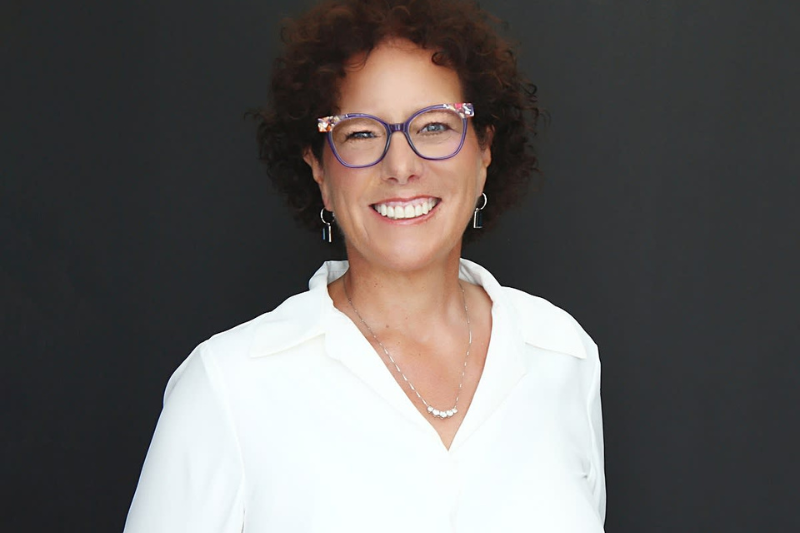
Most founders don’t set out to become the person who holds everything together, but at some point it happens. The business grows, demands increase, and more and more responsibility flows through one person. Even highly capable founders find themselves spending time on work that doesn’t require their level of thinking.
Anna Brambilla saw this firsthand in her own business. After building a high-functioning team of Virtual Assistants, she realized the real issue wasn’t access to talent. It was how that talent was found, matched, and integrated into the business.
Virtually Aligned was built to solve that problem. Instead of offering transactional support or a revolving door of assistants, the company focuses on helping founders build real working partnerships with carefully selected, high-level Virtual Assistants who can take ownership, think alongside them, and grow with the business.
Let’s start with your origin story. How did Virtually Aligned come to be?
I spent years in franchising, helping people transition out of corporate roles into business ownership. At the same time, I was building my own business and started using Virtual Assistants to support different areas of it.
What I didn’t expect was how much it would change the way I worked. Once I had people who understood how I think and could run with things without me having to stay involved in every detail, I was able to shift my time back into conversations, strategy, and growth.
As I talked to other founders, I realized most people weren’t having that experience of bringing someone in who truly operates as part of the business. Instead, they were either trying to figure it out on their own or working with agencies where the relationship felt distant, interchangeable, and ultimately not fully theirs.
That’s what led me to create Virtually Aligned. I wanted to build something that actually gives founders the kind of support that allows them to step back into the work only they can do and see real momentum in their business again.
What makes your model different from a traditional VA agency?
The biggest difference is that we do direct placement.
Most agency models are built around access to labor. You’re essentially renting someone’s time, and there’s always a layer between you and the person doing the work. That makes it very difficult for that person to take real ownership, and it often leads to a revolving door of support.
We structure it differently. You hire your Virtual Assistant directly, they are part of your team, and they’re able to step into the business in a much more meaningful way.
That shift is what allows the relationship to evolve beyond task execution. The best Virtual Assistants don’t just complete work, they start to anticipate, prioritize, and think with you. That’s where the real leverage comes from. Founders don’t just get time back. They start to see more consistency, stronger follow-through, and real revenue impact. In my own business, I gained back 10 to 15 hours a week and ultimately tripled my revenue once I was able to stay focused on the work only I could do.
It also explains why our turnover is almost nonexistent. People don’t leave relationships where they feel a sense of ownership and connection.

You talk about a very selective process. What does that actually look like?
We’re extremely selective, and that’s intentional.
For every role we post, we typically receive between 600 and 900 applications. From that pool, only about half of one percent ever gets presented to a client. In most cases, we’re showing just two to four candidates.
We spend a significant amount of time understanding how the founder works, how they make decisions, where they tend to get pulled into things they shouldn’t be doing, and what kind of support would actually change that. From there, we match based on both capability and working style.
We’re not trying to give people more options, and this is where most services miss the mark. They focus on filling roles quickly instead of matching well, which is why so many placements never fully take hold.
When the match is right, the relationship accelerates quickly and becomes far more than task support.
What happens once a client selects their VA?
This is where things either work or fall apart, and most people underestimate how important this phase is.
We’ve built a comprehensive onboarding process that helps both sides start in a way that actually sets them up for success. That includes how to communicate, how to hand off responsibility, and how to create clarity without overmanaging.
We also stay closely involved, especially during the first 90 days. That period is where the relationship either becomes a real partnership or stays stuck at the task level.
Our role is to help both sides navigate that transition so the Virtual Assistant can step into ownership and the founder can step out of the day-to-day, reclaim meaningful time, and refocus on the areas that actually drive growth.
You mentioned a 90-day guarantee. How does that work?
If, for any reason, the placement isn’t working, we replace the Virtual Assistant at no additional cost.
It’s there to give founders confidence, but it also reflects how much we stand behind our process. Because of how selective we are and how much attention we put into matching, it’s very rare that we need to use it.
“We’ve built a comprehensive onboarding process that helps both sides start in a way that actually sets them up for success.”

What’s the biggest shift founders need to make for this to work?
They need to stop thinking about delegation as a list of tasks and start thinking in terms of ownership. The real shift is allowing someone else to take responsibility for parts of the business so they are no longer pulled into everything themselves.
That can and will likely feel uncomfortable at first, especially for founders who are used to being involved in every detail, but once that shift happens, they often find themselves with more clarity, more energy, and significantly more time to focus on the work that only they can do.

Where should someone start if they feel overwhelmed but aren’t sure what they need?
They don’t need to have everything figured out before starting, but they do need to be willing to stop doing everything themselves. From there, we help them get clear on where support will have the biggest impact so they can begin to reclaim their time, enjoy their business again, and create space for the kind of growth they were originally working toward.
If someone is curious but unsure, the best place to start is simply a conversation. We can look at how they’re currently spending their time, where things are getting pulled off track, and whether bringing on the right Virtual Assistant makes sense for where they are right now. From there, we decide next steps together.
Connect with Anna on Facebook or Instagram.
You can also find her on The M List, The Mamahood’s searchable database of mom-recommended resources, or connect and collaborate with her inside The Club membership for women Founders.