How to Connect With Your Quirky Kid, According to Dr. Sasha Guillory
Interview by Heather Anderson
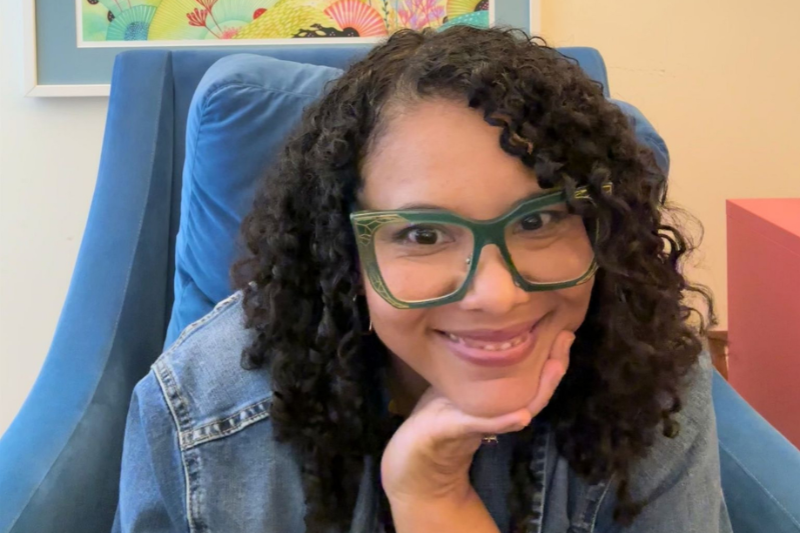
When your child is labeled “difficult,” “too sensitive,” or “weird,” it can feel like no one else understands what you’re going through. Dr. Sasha Guillory does. A licensed clinical child psychologist based in Oakland, she specializes in working with kids and teens who are often misunderstood—whether they’re neurodivergent, highly sensitive, BIPOC, LGBTQ, or just a little different from the crowd.
Born and raised in Oakland herself, Dr. Sasha knows both the joys and challenges of growing up in the Bay Area. She’s passionate about helping families reframe difference as strength, teaching kids that they don’t need to be “made normal”—it’s the world that needs to bend a little.
““These kids don’t need to be fixed or made normal. They need someone who gets them.” ”
Can you take us back to the moment it clicked that you were meant to work with kids who are seen as “challenging” or “weird”?
It started almost by accident. After graduating into the financial crisis, I couldn’t find work and ended up volunteering with autistic two-year-olds. It was such a blast—I loved it, and I wanted to soak up everything I could about their world.
When that program closed, I followed the kids to a new placement, but I quickly realized the strict environment there was all wrong for them. I thought, “These kids don’t need to be fixed or made normal. They need someone who gets them.” From then on, I knew I wanted to help kids navigate the “stupid normal world” in ways that actually worked for them.
And honestly, I was a weird kid too. I remember feeling wise beyond my years, saying things adults didn’t know how to hear. Having someone reflect back, “Wow, you’re really wise, the world’s just not ready for you yet”—that’s powerful. That’s what I want for my kids now.
For parents who see those traits—sensitivity, anxiety, neurodivergence—in their own kids, what do you want them to know?
That kids often communicate differently than adults expect, and don’t know what adults expect from them. A lot of parents ask questions like, “How was school today?” and get nothing back, because kids don’t know how to answer that - and want to give the right answer. For many kids, questions feel like an interview, and they’ll shut down.
Instead, share something similar from your own life—“I once had a friend who struggled with X”—and then pause. So often, a kid will launch into their own soliloquy without you ever asking. The magic is in creating space, not pressing for answers.
And if your question doesn’t land? Invite them to say so. One of my autistic clients simply tells his mom, “That’s not a good question.” It takes the sting out and helps families communicate better.
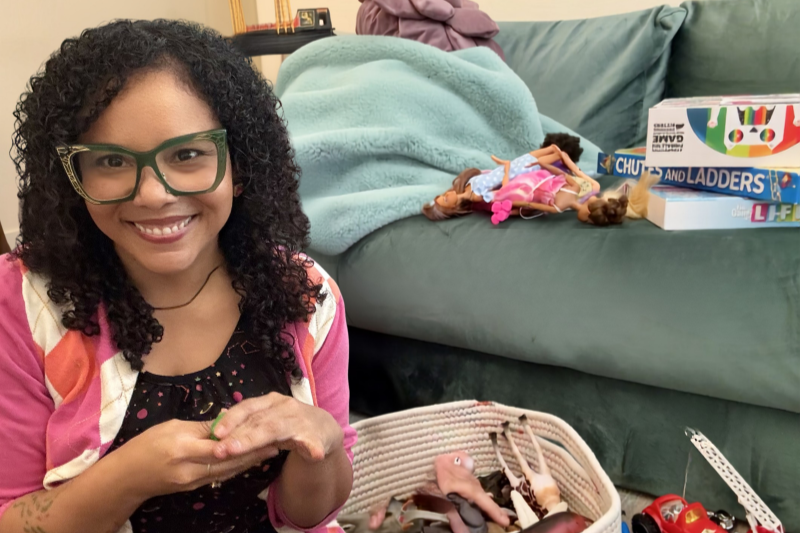
What are some signs a child might be struggling emotionally, even if they don’t say it outright?
One surprising sign? Furious texting. If your kid is glued to their phone, not just casually tapping but firing off rapid, stressed-out messages, chances are they’re trying to manage a friend-group conflict way beyond their skill set.
Middle school in particular ramps up the difficulty level. Kids are brand new at repair skills, and when you add in different communication styles—especially between neurotypical and neurodivergent kids—it’s like they’re speaking different languages.
The best thing you can do is help them pause. They feel like they must respond immediately, but taking even a five-minute break shifts them out of panic mode. Encourage them to think it through before hitting send.
A lot of moms are raising kids who don’t meet a textbook diagnosis but still seem overly sensitive, anxious, or intense. What would you say to them?
I call them the “mystery kids.” They show traits from several different diagnoses, but don’t fully fit any one box—so they fall through the cracks.
My advice is: don’t get hung up on the label. Pull from wherever you can—take ADHD tricks, autistic tricks, sensitive-kid tricks—throw them in the pot and see what works for your child.
Sometimes kids themselves want the certainty of a diagnosis. But the truth is, we don’t have words for every kind of brain. What matters most is finding strategies that help your child feel safe, capable, and understood.
You work with a lot of twice-exceptional (2E) kids—both gifted and challenged. Why is that mix so tricky?
Because it’s frustrating. Imagine being able to solve calculus but struggling to hold a basic conversation. Kids know they’re bright—and they know where they’re struggling. That mismatch eats at their self-esteem.
These kids need safe outlets for frustration. Parents often get the brunt of the after-school explosion because the child’s been holding it together all day. Helping them understand themselves—“I’m great at this, but this part is harder”—is huge. Once they know who they are, they can explain it to others and advocate for what they need.
Many parents of ADHD kids worry that school just doesn’t work for their child’s brain. How do you reframe ADHD in a more empowering light?
Let’s be real: our school system wasn’t designed for ADHD brains. But that doesn’t mean kids are broken. I tell them: accommodations aren’t cheating—they’re leveling the playing field.
If your friend finishes homework in 20 minutes while you spend three hours sweating over it, that’s not fair. That’s why you get extra time. It’s your responsibility to take the support you need. Kids love reframing it that way—like, “Hey, it’s my teacher’s job to teach me, and if they’re not adapting, they’re not doing their job.”
What’s one shift you’ve seen when a child finally feels understood?
Their whole face changes. There’s a lightness, a brightness—like they can finally put down the heavy armor they’ve been carrying.
So many kids are used to being doubted or dismissed. Having even one adult believe them changes everything. Suddenly, they have hope not just in themselves but in humanity. It opens the door for them to reach out and trust others, too.
If a mom suspects her child needs support but isn’t sure where to start, what’s a good first step?
Start with your pediatrician. They’re the hub—they know who’s in the area for therapy, speech, OT, and more. And they can rule out anything scary on the medical side first, which relieves a lot of parental anxiety.
From there, know that resources do exist—but you’ll have to be persistent. Parents often don’t hear about services until problems are huge. Don’t wait. Be politely demanding. Ask questions. Push until you find the right fit.
Do you have favorite tools or resources that parents might not have discovered yet?
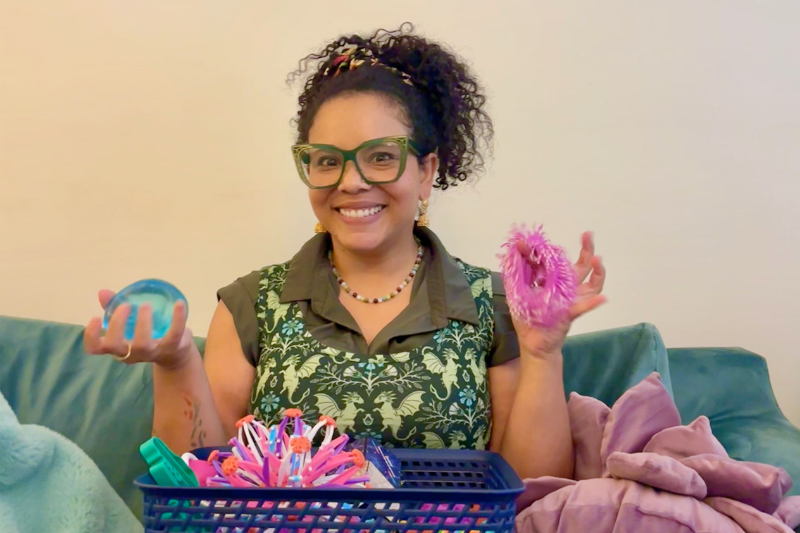
Yes—let kids play with toys longer! Teens think they’re “too old,” but toys like Play-Doh, Legos, even Barbies can be deeply therapeutic. I’ve seen 14-year-olds light up when given permission to play again.
It’s not about being childish—it’s about regulation, creativity, and joy. Adults get the same benefits! (Hand a group of grownups some Legos and watch the magic.) Encourage silliness. It’s medicine.
For moms who feel overwhelmed parenting a highly sensitive child, what would you whisper in their ear?
Remember: kids are new here. Things that feel obvious to you aren’t obvious to them.
Something as simple as, “You can take a break in the bathroom stall if you feel overwhelmed,” can be life-changing. Kids don’t come preloaded with coping skills. You have wisdom they don’t yet. Share it gently.
Anything you’ve noticed trending among teens that parents should know about?
Yes—horror. Almost every teen I see is into horror movies, scary video games, or both. Parents often panic, but here’s the thing: we’re living in scary times. Consuming fictional horror is actually soothing.
It’s visible, predictable, and over in two hours—so much easier than the hidden horrors of real life. In a way, kids are finding comfort. So no, they’re not demented—it’s developmentally appropriate for this cultural moment.
What’s one thing you hope every family walks away with after working with you—or even after just reading this article?
That fun is powerful. Make time for silliness—family game nights, watching a show together, even something small. When kids know there’s guaranteed fun with you, they open up in new ways.
Not every interaction has to be about homework or chores. Sometimes injecting humor into a difficult time can give them a moment of relief or a creative solution. Often, the most healing thing you can do for your child is laugh with them.
Want to bring more fun, connection, and support into your family life?
Learn more about Dr. Sasha Guillory’s therapy practice here.
Keep an eye out for her upcoming Fidget Tool Roundup, a guide to surprising regulation tools for sensitive and neurodivergent kids.
Book a consultation or reach out directly through her contact page.
Connect with Dr. Sasha Guillory on Facebook, LinkedIn or Instagram.
You can also find her on The M List, The Mamahood’s searchable database of mom-recommended resources, or connect and collaborate with Dr. Sasha inside The Club membership for women Founders.