Michelle Spexarth on Building a Better Life After Narcissistic Abuse
Interview by Heather Anderson
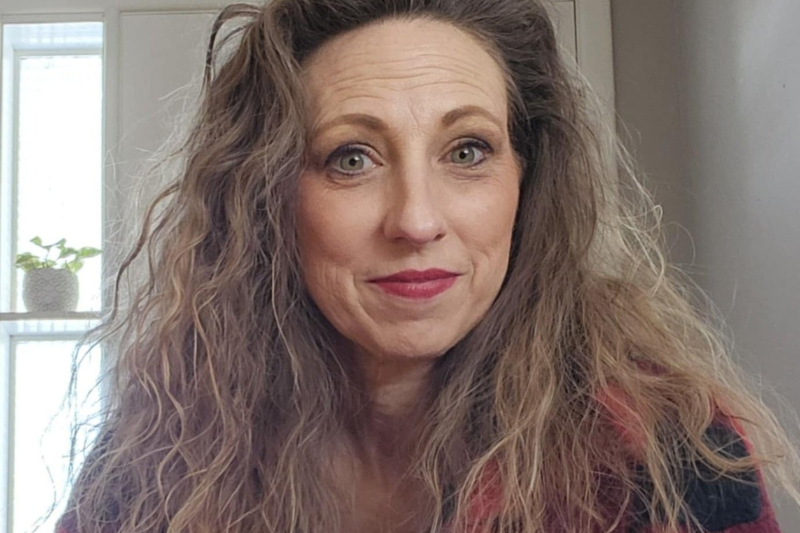
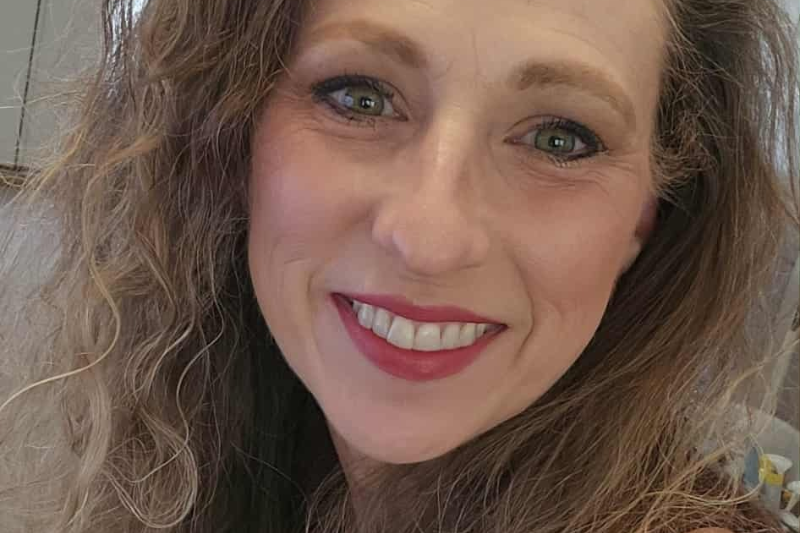
Michelle Spexarth is a certified trauma-informed coach and the founder of Heal You Heal Your Kids Coaching, where she helps moms retrain trauma responses after narcissistic abuse. A mom of five who homeschooled all of her kids, she works with women at every stage, from those who have just put a name to what they're living through to those who left years ago and still feel stuck. She is also the author of Small Shifts.
Your book is called Small Shifts, and there's a chapter in it about giving a gift where you basically say: give it, let it go, and if they throw it in the garbage in front of you, that's fine, that's their right. Where did that one come from?
It came from my godson. I would give him a gift and watch what he did with it, and I'd never get a thank you card, a verbal thank you, or any acknowledgement at all. It really bothered me. I thought, I have got to figure out how to come to peace with this.
So I started thinking about why you give a gift in the first place. What is your intention? Is it because you want something back? You want the thank you, the dopamine hit of them acknowledging you? When I really looked at it, I realized that's just not why we should give a gift.
I started working on releasing any attachment to what happened after I gave it. I give it with love in my heart, and that is all the work I'm supposed to do. Anything beyond that is none of my business. It was a progression over a few years, but that's where I landed.
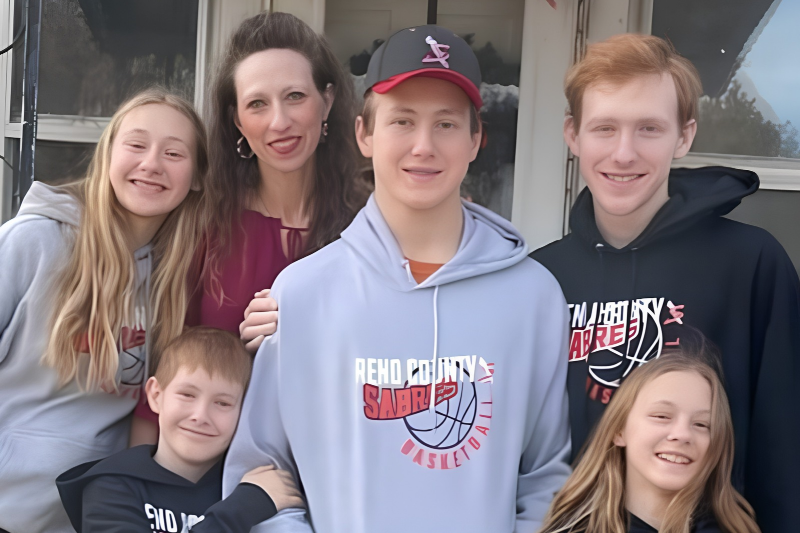
You have five kids, three still at home, and you homeschooled all of them. You've said that part of you always wanted to unschool, but another part needed to check the boxes. What is that about?
I consider myself a bit of a wild spirit. People have told me they couldn't believe I had kids because I felt so free to them. That part of me wanted to unschool.
Then there's the part of me that wants to make sure my children can make it in the world as adults, and be prepared for life in the society we actually have. So in our homeschool, yes, we did all the schoolwork. And we also went on adventures all the time, exploring life and what we were capable of, physically and mentally. That kept both parts of me happy.
“Whatever you want your life to look like, you are capable of creating it, and nobody gets to stop you. When you finally let go of the trauma and the abuse and move into healing and into your dreams, they are so possible.”
You have a lifetime of experience with narcissistic abuse. When did you go from living it to understanding what it actually was?
I grew up with a mother who I think has strong tendencies toward it. My parents divorced when I was four, and she remarried when I was eight, to a man with very strong narcissistic traits. I grew up feeling like I was in the way, like I was never going to be good enough. We were important until she remarried, and then we just weren't anymore.
As an adult, I kept choosing poor relationships. I was married to my second husband for 18 years, and I got to a point where I thought, this cannot be as good as it gets. I didn't feel like he was even my friend, or someone I could talk to about what was on my heart. When I tried, it backfired, and I was called selfish and much worse. So I left, without knowing what it was. I just knew I couldn't live that way anymore.
About six months after I left, eight years ago now, I heard the term narcissism for the first time. It was devastating. There were other people living this way too, and it was so diabolical. I couldn't believe it was actually a thing. But it finally started to explain what I had been living through my whole life.
Was there a specific moment when it all clicked into place?
The first thing that hit me was reading that you are not important to them, and that they make everything about themselves. He did that with everything. Any time I tried to talk about something I was feeling, he'd be offended and tell me I was being selfish.
The other piece was how any time you want to do something for yourself, they call you selfish. If I said I'd like to go shopping by myself for an hour, it became, "Oh, so you're abandoning us." Abandonment was already a wound for me, so it hit hard every time. Then I read Debbie Mirza's book, The Covert Passive-Aggressive Narcissist, and everything just broke open. Everything she described was something I had lived.
There's a difference between leaving and recovering. You work with women in both camps, the ones who just figured out what they were dealing with, and the ones who got out years ago and still feel stuck. What does still stuck actually look like?
Stuck means you're still pushing it down, and it's showing up in your health. You struggle to have good relationships. Some women keep ending up in narcissistic relationships again and again, because they haven't dealt with the trauma, so the cycle keeps repeating.
It can also look like not being able to move forward in life. Staying stuck in poverty, or in a job you hate because you don't know what else to do. Not trusting yourself. Not feeling confident in yourself. That's what stuck looks like.
You describe your work as retraining trauma responses. For a mom reading this who has no idea what that means, what is a trauma response, and what does retraining one actually look like day to day?
Trauma responses are things we do to stay safe. They served us when we were small, but they don't anymore. Now they keep us stuck, living in that trauma response over and over.
Retraining starts with realizing what your trauma responses are. Then we work on regulating your nervous system, so you can calm yourself down and make conscious decisions about what you actually want, instead of just reacting. You become aware of the reactions you've had, and then you intentionally create something different.
You've been hosting workshops on financial abuse, and they've taken off. Why that topic, and what do people not recognize about it?
Because I lived it. I was a stay-at-home mom for 16 of the 18 years I was married. I was completely supporting my spouse's businesses, thinking they were ours. The money I had put away in investment accounts, he talked me into cashing out. So when I decided to leave, I had no way to make money and nothing to fall back on. I had to figure it all out from scratch.
That's how financially trapped women can be when they don't have their own money. They have no financial power, so they don't have the resources to do anything.
The flip side is that I did dig out. I took any job I could so I could feed my kids, keep them in sports, and keep homeschooling. I found every resource I could. Now I own my own home and I'm debt-free other than my mortgage. So I can tell women: you can do it. You can dig yourself out from nothing, and you can build a really good life for yourself.
What's the most ordinary sounding thing a partner can do with money that is actually a red flag?
"Don't worry about it. I'll take care of it."
It sounds so caring and protective. But if you ask questions and that's the answer you get, it's passively taking away your power. You don't get any information about how they're handling it. Maybe you wouldn't even agree with how they're handling it. You're basically being blown off.
The word narcissist is everywhere right now. Everybody has dated one, everybody's boss is one. What does that do to the women who are actually living it?
The word has been so watered down that if somebody does one silly or thoughtless thing, they're a narcissist. What that does is minimize the women who are really living it. They don't get the help they need, because people assume it surely wasn't that big of a deal.
I did it to myself, too. I thought, surely I'm making this bigger than it really is. Then I realized other women had gone through the same thing, and it wasn't a little thing. It's a big thing.
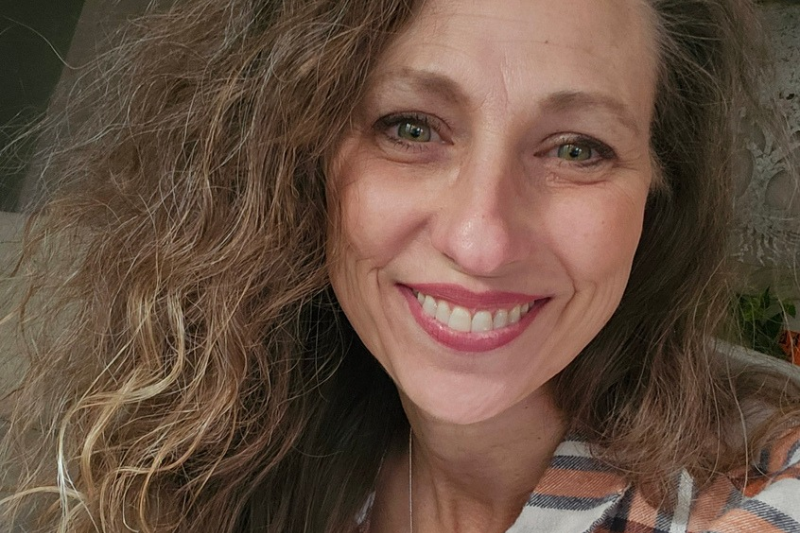
Your business is called Heal You Heal Your Kids. That's a whole thesis in five words. Unpack it for me.
With five children, I want them to see what healthy looks like. I want them to know how to be healthy in their own lives, so they don't make the same decisions I made.
When I'm healing and working on being the best version of myself, I get to teach them healthier ways along the way. Honestly, I don't know if I'd be so driven to do this work if it were just for me. But I want a better life for my children, and doing the work to heal myself is how I help give them that future.
When you tried running a group a couple of years ago, it didn't take, and your read was that the shame is just too big, that being seen by other women who've been through it is more than most people can handle at first. Do you still think that's true?
Partially. I've heard about some group models that intrigue me, like a private one-on-one coaching call once a month plus a group session every week. That way women still have a private space.
But I know that for me, I was so embarrassed and ashamed. In my words back then, I'd been so stupid not to realize what I was dealing with, and I'd given up so much of myself. Saying out loud, yes, I made these decisions, and yes, I was treated this way, was very shaming. I feel that less now. But I still think there's some truth to it.
Every single person who joins your Facebook group gets a personal message from you. You also read their profile first and turn people away if something feels off. Why do you do it that way when nobody would notice if you didn't?
Because it's my job to protect the safety of the group and the women in it. They're trusting me. If they choose to post, ask a question, or reach out, they need to know they're in a safe space. No creeps, and nobody who's going to verbally attack them.
A lot of narcissists will also try to get into spaces like that to keep tabs on their exes. So I'm very, very careful about who I let in. Protecting their safety and their mental well-being is my job.
Your M List listing says you help women build a life that's better than anything they could have had with their ex. What does better actually look like?
I feel like I'm living it. Better might mean you own your own home. Your children feel safe with you, and you're the place they come to. You have a good relationship with your kids. You feel confident going through life. Not everything is going to work out perfectly, but you know you can work through it, because you believe in yourself now.
Whatever you want your life to look like, you are capable of creating it, and nobody gets to stop you. When you finally let go of the trauma and the abuse and move into healing and into your dreams, they are so possible. I'm proof of that, and I can show you how.
Is there a client win that still makes you a little emotional?
I walked with one client through her divorce. She'd been married about 23 years. Before she got married, she wanted to be in theater, and she'd gone to college for it. She basically gave it up when she got married, and when she did try, she felt judged.
Since her divorce, she's been in several productions, and they keep getting bigger. Now she's looking at one in Chicago. I remember when she landed a lead role and told me she didn't feel like she was doing the character justice. I asked, "What if you over-dramatize her? Play her bigger than she is?" Something transformed for her. She stepped right into that role and made it grand. Just from one question. That was awesome.
Before coaching, you rebuilt your life one job at a time. What did that look like, and what changes now that you're going all in on coaching?
When I first left, there was no money and I didn't know what to do. I started driving for Uber on Friday and Saturday nights when my kids were with their dad, taking people to and from bars, and I made pretty good money doing it. Then a friend was getting rid of her cleaning business and asked if I knew anyone who'd want it. I said, "What about me? I can clean a house." She introduced me to her clients, and that's how I got started.
When COVID hit, everything stopped, Ubering and cleaning both. Once things opened back up, I went back to cleaning. But I knew I didn't want to clean forever, so I got certified as a coach. I knew I could help women get through this much more smoothly than I did. I could be the guide I never had.
I'm not ashamed that I clean houses. It's what worked for me. Some of the jobs people dismiss as just service jobs may be exactly what you need in the moment, before you do the bigger thing. Letting go of cleaning now frees me up to take on more clients, keep learning, and offer more, like classes and group sessions.
If a mom is reading this and she's not sure what she's dealing with, she just knows something is off, what would you tell her to do first?
Sit down and think about the last time in your relationship that you actually felt seen and heard, or felt like your opinion mattered. If you realize your opinion doesn't matter, and you don't feel seen or heard, then we should have a call together. My consult is free. It's an hour with me, and we can talk about whatever you need.
You can also find Michelle Spexarth on The M List, The Mamahood's searchable database of mom-recommended resources, or connect and collaborate with Michelle Spexarth inside The Club membership for women Founders.